
 adminjumark
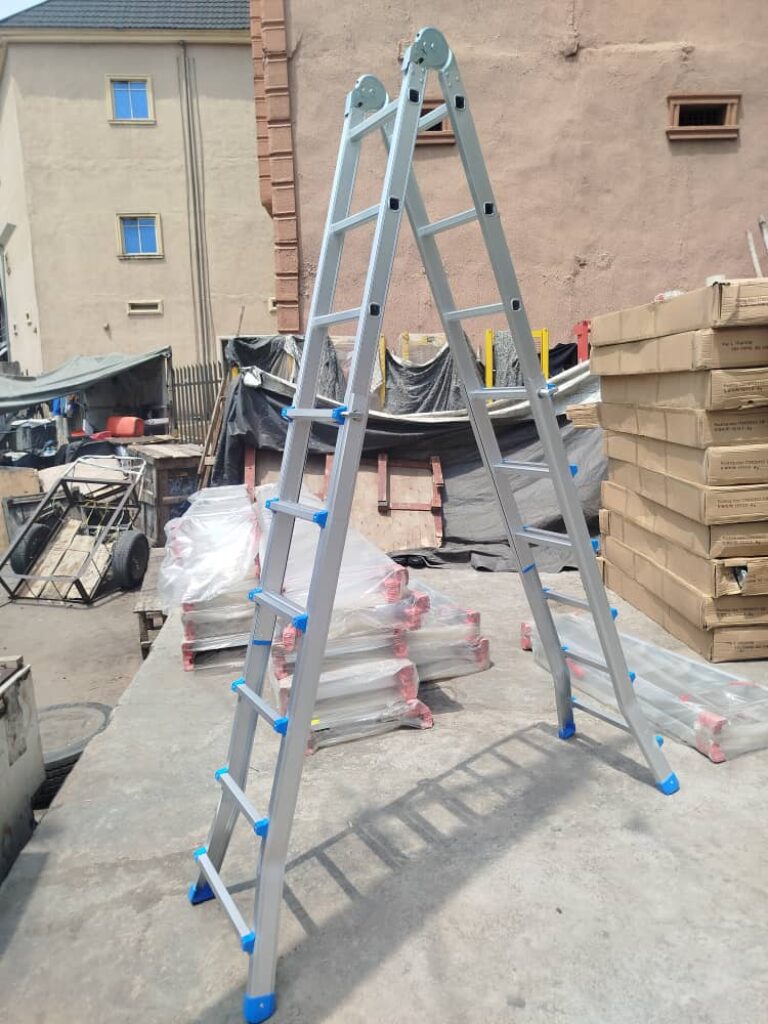
Congrats, you have gotten an aluminuim ladder or you want to get one. Now what’s the proper and safe way to use it? Well! Aluminum ladders are lightweight, durable, and an essential tool for every homeowner tackling chores from cleaning gutters to changing lightbulbs. However, their very nature—metal construction—introduces specific risks, particularly the danger of electrical conduction.
Falls from ladders are among the many leading causes of serious household injuries and death, making it critical for every user to approach this tool with a healthy respect for safety protocols. Adopting a strict routine of preparation, correct setup, and safe climbing will ensure your projects are completed efficiently and without incident.
Here are 3 tips to help:
1. Avoid All Electrical Contact
The most critical rule when using any aluminum ladder is to maintain a safe distance from electricity. Aluminum is a highly conductive metal. If the ladder touches a live electrical wire, power line, or exposed electrical component, it can immediately transmit the current to the user, resulting in severe injury or electrocution. If your task involves working near overhead power lines, electrical outlets, or exposed wiring, you must use a non-conductive fiberglass ladder instead. Even if you believe the wires are insulated, always treat them as live and keep your metal ladder well clear.
2. Follow the 4:1 Ratio and Ensure Stability
Before you even step on the first rung, proper ladder placement is paramount to preventing dangerous slips and collapses. When using an extension ladder, the base should be set up using the 4:1 ratio: for every four feet of ladder height up the wall, the base should be one foot out from the wall. This ideal angle provides maximum stability. Additionally, the ladder’s feet must be placed on a firm, level surface. Never use makeshift supports like boxes, bricks, or uneven ground to level the ladder; if the ground is uneven, utilize proper leveling devices or relocate the ladder.
Deals
3. Maintain Three Points of Contact
While climbing and working, your body should always maintain three points of contact (3-Point Contact) with the ladder. This means having either two hands and one foot or two feet and one hand touching the ladder at all times. This rule is crucial for maintaining balance and preventing sudden shifts in weight. When climbing up or down, face the ladder and avoid carrying tools in your hands; instead, use a belt, tool pouch, or hoist tools up with a rope. Most importantly, never stand on the top rung or platform unless specifically rated for standing, and keep your body’s center of gravity (your belt buckle) between the side rails.
By adhering to these fundamental safety principles—avoiding electrical hazards, ensuring stable and correctly angled placement, and maintaining three points of contact—you significantly reduce the risk of accidents. An aluminum ladder is a powerful tool for the home, but its benefits are only realized when its use is approached with serious attention to safety.
All of this is of course waterproof as well. Though, it won’t work underwater. For that you’ll need to use the push-buttons on the top/side of the camera to change modes.




That’s the basic differences. Again, both cameras are very good, you won’t go wrong with either. For me, I prefer the Hero5 Black because I like to be able to see and frame up what I’m taking a photo/video of. Whereas the Hero5 Session it’s shoot and pray that you’ve got it lined up. Sure, you can use your phone for certain shots – but most of us won’t do that.